2026-10-11 · Michael 'Mike' Thompson
Inspecting Electrical Panels in Pre-1980 DeLand Homes
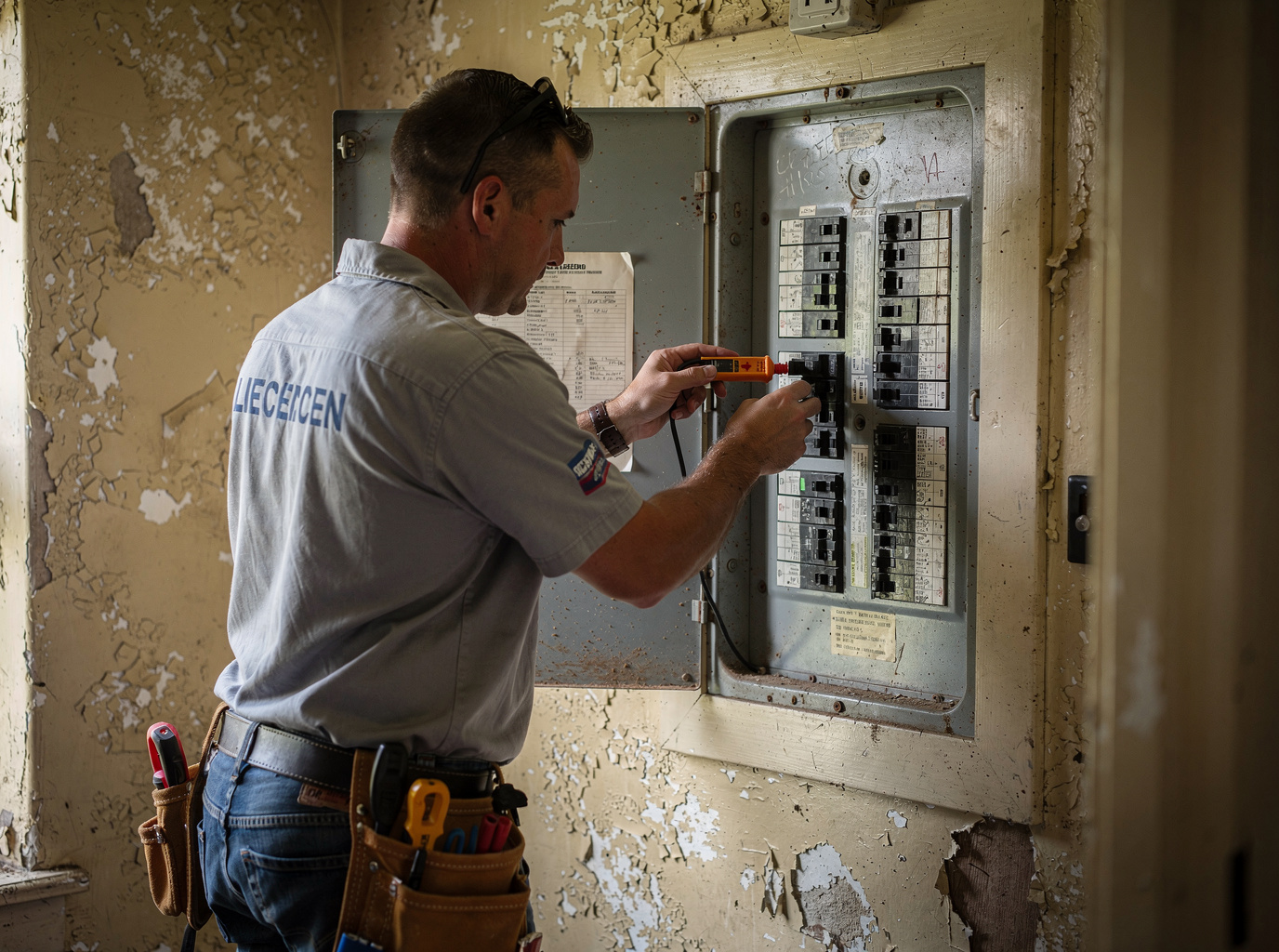
Inspecting electrical panels in pre-1980 DeLand homes often reveals systems that are undersized, outdated, or even hazardous, requiring careful evaluation by a qualified professional. Many of these older homes, particularly those in areas like the DeLand Historic District, Downtown DeLand, and even parts of Stetson University, were built with electrical capacities far below today's demands. The humid subtropical climate of Volusia County, with its hot summers and mild winters, also places significant stress on these older systems, as air conditioning and dehumidifiers run almost constantly, leading to accelerated wear and tear on components that were not designed for such continuous heavy loads.
The Legacy of Older Electrical Panels in DeLand
Homes constructed before 1980 in DeLand often feature electrical panels from manufacturers whose products are now known to have design flaws or have simply reached the end of their operational lifespan. Brands like Federal Pacific Electric (FPE) Stab-Lok and Zinsco panels are particularly notorious in the industry for their failure to trip under overcurrent conditions, posing a serious fire risk. While less common, some properties might still have fuse boxes, which, though not inherently dangerous if properly maintained, struggle to meet modern power demands and are prone to nuisance tripping with today's appliances. Understanding the specific type of panel in your home is the first step toward assessing its safety and functionality.
Beyond specific brands, many older panels simply lack the capacity for modern living. A typical home from the 1950s or 60s might have been built with a 60-amp or 100-amp service, which was adequate for a few lights and basic appliances. Today, with multiple computers, large-screen TVs, central air conditioning, and a host of kitchen gadgets, a 200-amp service is often the minimum requirement for comfortable and safe operation. Overloading an older panel can lead to frequent circuit trips, flickering lights, and, critically, overheating, which can damage wiring and present a significant fire hazard. This is a common issue we address in neighborhoods across DeLand, from North DeLand to Spring Hill.
Common Issues with Pre-1980 Electrical Panels
Several issues are frequently encountered when inspecting electrical panels in DeLand's older homes. One of the most prevalent is corrosion, exacerbated by our area's high humidity. Moisture can ingress into the panel, leading to rust on bus bars, breakers, and wiring terminals, which increases resistance and generates heat. Another common problem is outdated wiring materials, such as aluminum wiring, which was used extensively in the 1960s and 70s. While not inherently unsafe, aluminum wiring requires specific installation methods and connectors to prevent loose connections and overheating at termination points. We frequently perform electrical connection inspection to identify and rectify these issues.
Furthermore, many older panels suffer from a lack of available spaces for new circuits. As homeowners add new appliances or undertake renovations, they often find themselves needing more circuits than their existing panel can accommodate. This can lead to dangerous practices like 'doubling up' circuits or installing tandem breakers in panels not designed for them, which can bypass safety mechanisms. Signs such as frequently tripping breakers, dimming or flickering lights, burning smells near the panel, or warm-to-the-touch outlets are all indicators that an older electrical panel may be failing or overloaded. If you're experiencing these, it's crucial to consider a professional electrical troubleshooting assessment.
What to Look For During an Inspection
A thorough inspection of a pre-1980 electrical panel by an experienced electrician will cover several key areas. First, the exterior of the panel will be examined for signs of rust, damage, or missing covers. Inside, the electrician will look for evidence of overheating, such as discolored wires or melted insulation, which often points to loose connections or overloaded circuits. The main breaker and panel diagnosis is a critical step, as the main breaker is the primary safety device for the entire electrical system. Its condition and proper functioning are paramount. You can learn more about this specific service at our main breaker and panel diagnosis page.
The type and condition of the circuit breakers themselves are also carefully evaluated. As mentioned, certain brands like Federal Pacific or Zinsco are immediate red flags. Beyond specific brands, breakers that appear loose, are difficult to reset, or are hot to the touch indicate potential problems. The wiring within the panel is inspected for proper gauge, secure connections, and any signs of damage or deterioration. Grounding and bonding are also checked to ensure they meet current safety standards, which are often inadequate in older installations. Given the frequent summer storms in Volusia County, especially those that can cause partial power outages, a robust and properly grounded system is essential.
When to Consider an Upgrade or Replacement
While some minor issues with older panels can be repaired, many situations warrant a full panel upgrade or replacement. If your panel is one of the known hazardous brands (Federal Pacific, Zinsco), replacement is highly recommended for safety. Similarly, if your home's electrical service is 100 amps or less and you have modern electrical demands, an upgrade to 200 amps is often necessary to prevent overloading and ensure future capacity. Signs of consistent overheating, frequent breaker trips, or a burning smell are also strong indicators that a replacement is due. These are not issues to delay, especially in a city like DeLand where we see significant electrical usage.